


You Hear It All The Time...“I Don’t Want To Be A Burden.”

Written by Paul C Bastante, CAPS, for The Agewise Institute & Sponsored by 101 Mobility North Jersey
It is the Quietest — And Most Heartbreaking — Sentence We Hear from seniors:

“The hardest words many older adults never say out loud are: ‘I don’t want to be a burden.’”
If you work in aging-in-place, healthcare, caregiving, or if you simply love someone getting older, you’ve heard this sentence before. Maybe not word-for-word. But you’ve heard it.
You hear it when someone stops going upstairs because they’re afraid of falling. You hear it when a father refuses help carrying groceries. You hear it when a mother quietly says, “I’m fine,” even when everyone knows she’s struggling.
And most of the time, it has very little to do with pride.
It has everything to do with love.
Older adults often spend decades being the helper. The provider. The caretaker. The person everyone else depended on. Then one day, almost without warning, life changes. Stairs become harder. Bathrooms become more dangerous. Driving becomes stressful. Recovery takes longer. Confidence fades a little.
What many families don’t realize is this:
The emotional pain of aging is often not the physical limitation itself. It’s the fear of becoming someone else’s problem.
That fear is powerful.
It causes people to hide symptoms. Delay asking for help. Refuse modifications they actually need. Avoid difficult conversations with their children. Pretend things are okay when they clearly aren’t.
Sometimes families interpret this as stubbornness.
But very often, it’s something much deeper.
It’s dignity.
The irony is that the right support systems actually reduce burden for everyone involved.
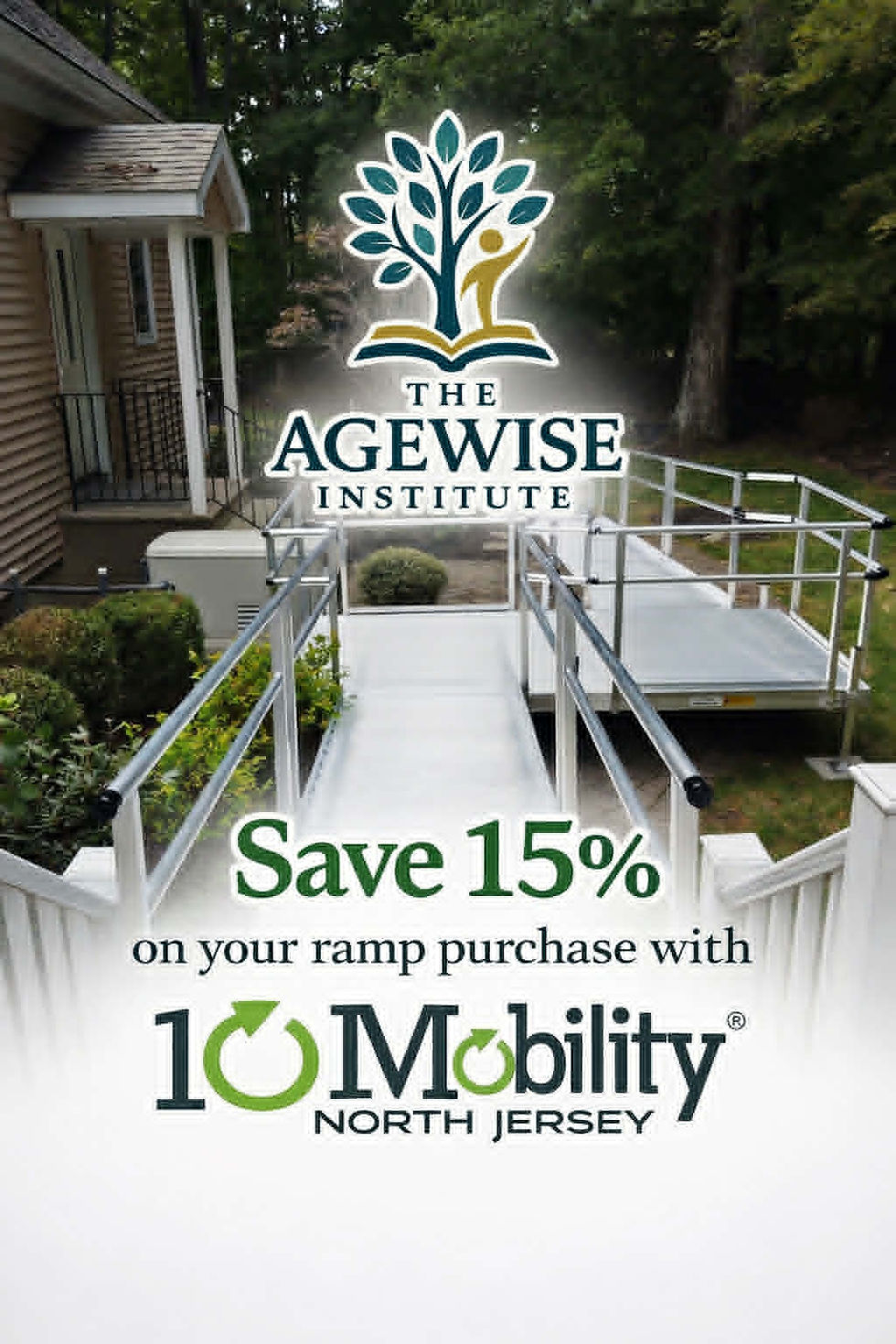
A professionally installed stairlift can prevent exhausting daily struggles and reduce fall risk. A properly designed bathroom modification can restore confidence and privacy. A ramp can turn isolation back into freedom. Small changes inside a home can dramatically reduce stress for spouses, adult children, and caregivers alike.
This is why aging in place matters so much.
It's not because people are trying to avoid aging. Because they’re trying to preserve identity. There’s a major emotional difference between: “I need people to do everything for me…” …and…
“I have the tools and support to continue living my life safely.”
Families also need to understand something important:
When an older loved one says, “I don’t want to be a burden,” they are often really saying:
“I don’t want my aging to hurt the people I love.” That sentence deserves compassion, not correction.
The goal should never be to make someone feel “old.” The goal should be to make life easier, safer, and more manageable while preserving as much independence as possible.
And honestly? Some of the happiest homes we see are not the ones pretending aging isn’t happening.
They’re the ones that adapt to it together.
The ones where a son installs grab bars before there’s a fall. Where a daughter has the hard conversation early instead of after a crisis. Where a spouse says, “Let’s make this easier now,” instead of waiting until things become overwhelming.
Because planning ahead is not giving up.
It’s protecting quality of life.
At The Agewise Institute and alongside our work with 101 Mobility North Jersey, we’ve learned something important:
Most people do not want luxury. Most people do not want perfection.
They want to stay connected to their routines, their memories, their homes, and their sense of self for as long as possible.
They want to feel safe. They want to feel useful. And above all else…
They want to feel like they still belong.
Because nobody wants to feel like a burden.
But everybody deserves to feel supported.
The Agewise Blog is brought to you by"
#AgingInPlace #SeniorCare #Caregiving #FamilyCaregiver #ElderCare #HomeAccessibility #SeniorLiving #AgingParents #DignityInAging #CertifiedAgingInPlace #AgewiseInstitute #SeniorSafety #CaregiverSupport #IndependentLiving #MobilitySolutions


Comments